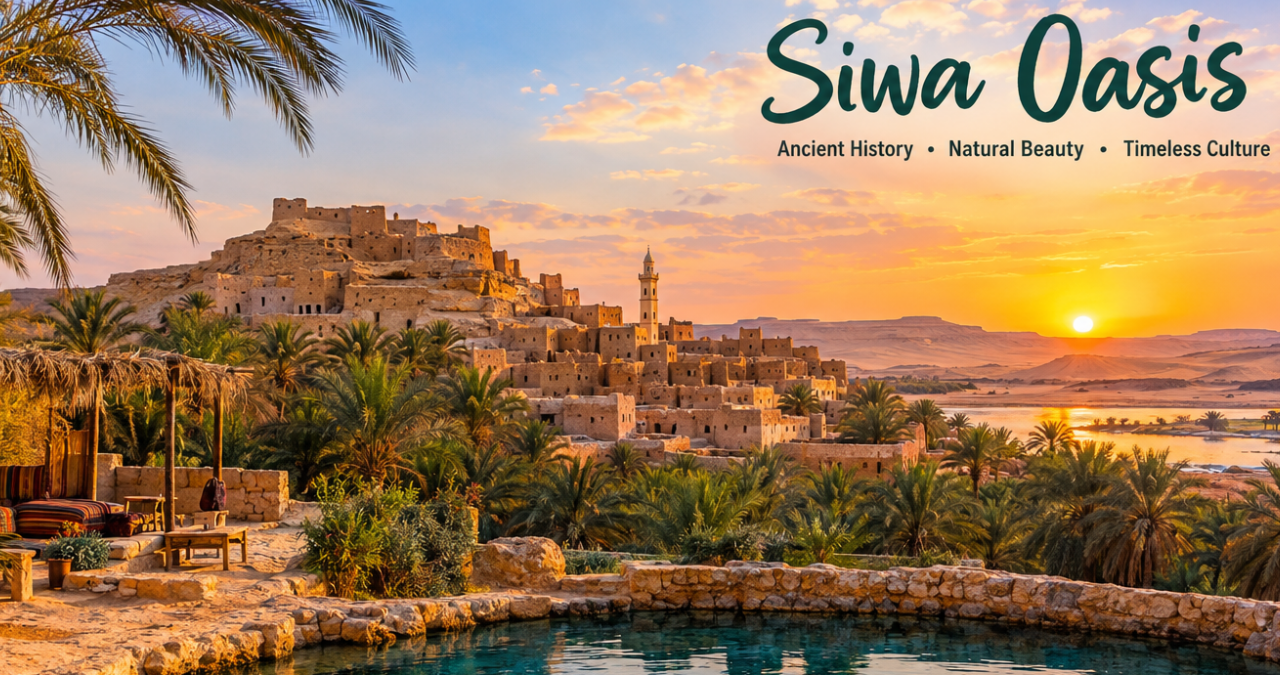
siwa oasis is one of Egypt’s most fascinating destinations, combining ancient history, peaceful desert landscapes, palm-filled gardens, salt lakes, natural springs, traditional architecture, and a rich local culture. Far from the busy streets of Cairo and the crowded attractions of the Nile Valley, this remote oasis offers a completely different side of Egypt.
Located in Egypt’s Western Desert near the Libyan border, Siwa has attracted travelers for centuries. Its importance comes from much more than beautiful scenery. The oasis has connections to ancient Egyptian religion, Greek and Roman history, traditional agriculture, desert trade, and a distinctive Siwan culture. Egypt’s official tourism information describes it as one of the country’s most remote desert oases, while the government also highlights its archaeological, environmental, and cultural importance.
What makes the destination especially memorable is the way nature and history exist side by side. You can explore an ancient mud-brick settlement in the morning, float in a salty lake later in the day, walk among date palms, and watch the sun disappear behind enormous desert dunes before nightfall. In short, Siwa is the kind of place where every turn seems to tell a story.
Where Is siwa oasis Located?
siwa oasis lies in Egypt’s Western Desert, relatively close to the border with Libya. It belongs administratively to Matrouh Governorate and is positioned within a broad desert depression surrounded by sandy landscapes, rocky formations, and areas of fertile vegetation.
Its remote location has played an important role in its character. For much of its history, Siwa was separated from the main centers of Egypt by long distances and difficult desert routes. That isolation helped preserve distinctive traditions, architecture, language, food, crafts, and social customs.
The oasis is also geographically unusual. Underground water supports agriculture and natural springs, allowing dense vegetation to grow in an otherwise extremely dry environment. Palm and olive trees are especially important to the local landscape and economy.
The Egyptian government describes Siwa as one of the country’s oldest and most important oases and has undertaken water-management and agricultural drainage projects to address environmental challenges affecting the region.
The Ancient History of siwa oasis
The history of siwa oasis reaches deep into antiquity. Long before modern tourism, the oasis was known as an important religious center. Its most famous ancient connection is the Oracle of Amun, which made Siwa known far beyond the Western Desert.
The Temple of the Oracle was associated with the Egyptian god Amun, who was later connected with the Greek god Zeus. Ancient travelers and rulers came to the oasis seeking guidance from the oracle.
According to historical research, the famous temple developed during Egypt’s Twenty-Sixth Dynasty, centuries before the Roman period. The site later became closely associated with Alexander the Great, who visited Siwa after conquering Egypt in the fourth century BCE.
Alexander’s journey became one of the most famous stories in Siwan history. He traveled across the desert to consult the oracle, and ancient accounts say that the oracle recognized him as the son of Zeus-Ammon. Whether every detail of the ancient accounts can be verified or not, the story demonstrates just how important Siwa was in the ancient Mediterranean world.
The archaeological area of Siwa has also been placed on Egypt’s UNESCO World Heritage Tentative List. The nomination includes the Temple of the Oracle, the Temple of Amun at Ubaydah, and other archaeological monuments.
Shali: The Historic Heart of siwa oasis
One of the first landmarks many visitors notice is Shali, the historic settlement in the center of Siwa.
Shali is not simply an old castle. It was a fortified town where people lived, worshipped, stored food, collected water, and protected themselves from threats. The settlement was constructed using a traditional material known as kershef, made primarily from salt-rich earth, mud, and clay.
This building technique was remarkably practical. Once dried, the material could become extremely hard and helped create thick walls that offered protection from the harsh desert climate.
The Egyptian Ministry of Tourism and Antiquities explains that Shali dates to the medieval period and that the name “Shali” is a Siwi word meaning “city.” The historic settlement included homes, mosques, wells, walls, and narrow passages.
Heavy rainfall in the twentieth century caused serious damage to the old settlement. Over time, residents moved into newer parts of Siwa, leaving the historic structures behind.
Fortunately, conservation efforts have helped stabilize and restore important parts of Shali. Visitors can now walk through its ruins and appreciate the unusual architecture while learning how people once adapted to desert life.
The Oracle Temple and Alexander the Great
The Temple of the Oracle is perhaps the most historically famous attraction in siwa oasis.
Built on elevated ground, the ancient temple was connected to the worship of Amun and became famous because of its oracle. In the ancient world, oracles were sacred places where people sought divine guidance on important questions.
The temple’s reputation spread widely. Leaders and travelers were willing to cross difficult terrain to reach the oasis because the oracle was considered powerful and respected.
Alexander the Great’s visit made the site even more famous. After entering Egypt, Alexander undertook the difficult desert journey to consult the oracle. His visit helped connect Siwa with one of the most celebrated figures in ancient history.
Today, the ruins are weathered, but their historical importance remains. Standing at the site, visitors can imagine how remarkable it must have been for ancient travelers to cross hundreds of kilometers of desert to reach this sacred center.
The Natural Springs of siwa oasis
The desert surroundings may look dry and unforgiving, but siwa oasis is filled with water.
Natural springs are among the destination’s biggest attractions. Some are warm, some are cool, and many are surrounded by palm trees and small cafés or resting areas.
Cleopatra’s Spring
Cleopatra’s Spring is probably the best-known spring in Siwa.
The circular pool is popular with both residents and visitors who want to enjoy its warm natural water. It has become closely connected with the story of Cleopatra, although there is no strong historical evidence proving that Cleopatra VII actually bathed there.
That distinction matters. A good traveler can enjoy a legend while also understanding where historical evidence ends and local storytelling begins.
The Egyptian tourism authorities list Cleopatra’s Spring among Siwa’s major ecotourism attractions.
Fatnas Spring and Lake
Fatnas is another beautiful area where water, palms, and desert scenery come together.
The setting is especially attractive around sunset. The combination of water and vegetation creates a peaceful contrast with the surrounding desert.
For photographers, nature lovers, and travelers looking for a quiet break, this is one of the places where Siwa really shines.
Salt Lakes
The salt lakes are another unforgettable part of the experience.
Because of their high salt content, some lakes make it remarkably easy for people to float. The bright water, surrounding desert, and distant palm trees can create scenes that look almost unreal.
These lakes aren’t simply pretty tourist attractions, though. They are part of the oasis’s complicated water environment, which needs careful management to protect agriculture, buildings, and natural habitats.
The Great Sand Sea and Desert Adventures
Beyond the green areas of the oasis lies a completely different world: the Great Sand Sea.
Here, enormous dunes stretch toward the horizon. The landscape is ideal for desert adventures, especially during the cooler parts of the day.
Popular activities can include:
- Four-wheel-drive desert trips
- Sandboarding
- Watching sunset from the dunes
- Visiting remote springs
- Desert photography
- Stargazing
- Enjoying traditional desert meals
- Exploring the surrounding geological landscape
The experience can be thrilling, but the desert should never be treated casually. Heat, distance, and limited water can create real risks. Visitors should use experienced local guides, carry sufficient drinking water, and avoid wandering into remote areas alone.
The official Egyptian tourism portal specifically highlights the Great Sand Sea as an important attraction around Siwa.
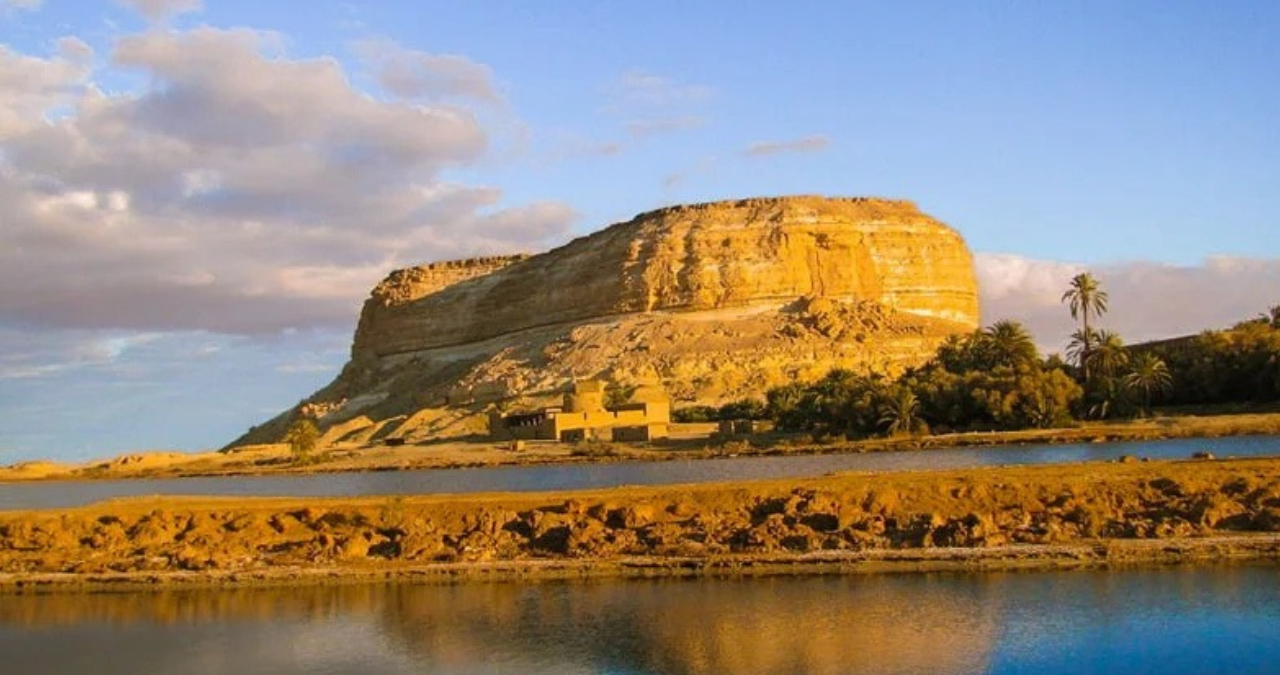
The Mountain of the Dead
Another important historical attraction is the Mountain of the Dead, known for its ancient tombs.
The site contains burial chambers connected with different periods of Siwan history. Some tombs include decorative elements that provide clues about ancient beliefs and artistic traditions.
The attraction isn’t simply a mountain in the ordinary sense. It is an archaeological landscape, and its tombs demonstrate how communities in the oasis connected their lives with religious traditions and ideas about death.
Visitors should treat archaeological areas with care. Ancient walls, paintings, carvings, and burial sites are fragile, and even small amounts of careless contact can contribute to long-term damage.
The Culture and People of siwa oasis
Perhaps the most rewarding part of visiting siwa oasis is discovering its living culture.
Siwan society has developed its own distinctive traditions through centuries of relative isolation. The community has strong connections to Amazigh heritage, while Arabic and wider Egyptian influences are also part of modern life.
The official Experience Egypt tourism portal highlights Siwan Amazigh culture, storytelling, and traditional community life as important parts of the destination.
Visitors may encounter:
- Traditional clothing
- Local handicrafts
- Palm-based products
- Olive products
- Date products
- Traditional foods
- Local music
- Storytelling
- Distinctive architecture
- Community celebrations
This cultural richness is a reminder that Siwa isn’t an outdoor museum. People live, work, study, farm, and build families here.
That means visitors should be respectful. Ask before photographing people, especially during private or religious occasions, and remember that local customs deserve the same respect as famous monuments.
Traditional Food in siwa oasis
Food is another way to understand the character of an oasis.
Dates and olives are especially important because palm and olive cultivation has long been central to local agriculture. Fresh dates can be enjoyed in season, while olives and olive oil are used in many local dishes.
Traditional foods can also reflect the desert environment. Simple ingredients, grains, vegetables, dates, herbs, and locally produced items are commonly valued.
When traveling through Siwa, don’t rush through meals. Trying local food is part of the cultural experience.
A small local restaurant or family-style meal may teach you more about everyday Siwan life than a large tourist establishment ever could.
Climate and the Best Time to Visit
Siwa has a desert climate, so temperatures can vary dramatically between seasons.
Summers can be extremely hot, while winters are much cooler, particularly at night. Spring and autumn are generally more comfortable for outdoor exploration.
Egypt’s State Information Service recommends spring and autumn as particularly suitable periods because temperatures are more moderate.
A practical approach is to plan outdoor activities for the morning and late afternoon, especially when visiting during warmer months.
Pack wisely:
- Lightweight clothing
- Comfortable walking shoes
- Sun protection
- Sunglasses
- A hat
- Reusable drinking water
- A light jacket for cooler evenings
- Basic personal medicines
- A phone power bank
And don’t underestimate the desert sun. Even when the air feels pleasant, prolonged exposure can become exhausting.
How to Experience siwa oasis Responsibly
Siwa’s beauty comes with responsibility.
The oasis is environmentally sensitive because its agriculture depends on water resources, while its archaeological buildings are vulnerable to weather and human activity. The Siwa Nature Reserve contains wetlands, dunes, rocky formations, wildlife habitats, and culturally important sites.
Responsible tourism can make a genuine difference.
Protect the Water
Fresh water is precious in a desert environment. Avoid wasting it in hotels, springs, or other facilities.
Respect Historical Sites
Don’t climb fragile ruins, carve names into walls, remove stones, or touch ancient decorations unnecessarily.
Support Local Businesses
Buying local crafts, eating at local restaurants, and hiring local guides can help tourism benefits reach the community.
Reduce Waste
Carry reusable bottles and avoid leaving plastic or other rubbish in natural areas.
Respect Local Customs
Dress and behavior should be appropriate for the community and location. Religious places require particular care.
Choose Responsible Guides
Experienced local guides can make desert excursions safer while also helping visitors understand local history and traditions.
These practices aren’t merely good manners. They help protect the very qualities that make Siwa worth visiting.
Water Management and Environmental Challenges
One of the most important issues facing siwa oasis is water management.
An oasis exists because water reaches the surface or remains accessible underground in an otherwise dry environment. That creates opportunities for farming, but it also creates a delicate balance.
Egypt’s Ministry of Water Resources and Irrigation has described problems involving agricultural drainage, groundwater extraction, rising drainage-water levels, soil deterioration, and effects on agricultural land and buildings. Development projects have therefore focused on improving irrigation and drainage while restoring environmental balance.
This is a useful lesson for travelers. An oasis may look naturally abundant, but its resources aren’t unlimited.
Sustainable tourism and careful water management will be increasingly important as more people discover the region.
Siwa Oasis as an Ecotourism Destination
Siwa has strong potential for ecotourism because it combines natural landscapes with cultural and historical attractions.
The Siwa Nature Reserve protects an environment containing dunes, wetlands, geological formations, vegetation, and wildlife. Migratory birds also use some of the area’s lakes and wetlands.
Ecotourism can provide several benefits:
| Area | Possible Benefit |
|---|---|
| Local guides | Creates employment and shares local knowledge |
| Traditional crafts | Supports cultural traditions |
| Eco-friendly accommodation | Encourages responsible tourism |
| Local food | Supports farmers and small businesses |
| Heritage conservation | Helps preserve historic sites |
| Nature tours | Builds appreciation for desert ecosystems |
| Community tourism | Keeps more tourism income within the region |
The key is balance. Tourism should support the oasis rather than overwhelm it.
Why siwa oasis Is Different From Other Egyptian Destinations
Egypt is famous for pyramids, temples, museums, and Nile cruises. Those attractions are extraordinary, but Siwa offers something different.
Here, the pace is slower.
There are fewer large urban distractions. The landscape feels open and peaceful. Ancient ruins stand among palm groves, while salt lakes reflect the sky. Traditional mud architecture appears alongside modern buildings.
The experience is less about checking attractions off a list and more about spending time in a distinctive environment.
That’s what makes Siwa particularly appealing to travelers who want:
- History without the busiest crowds
- Nature and desert landscapes
- Local cultural experiences
- Photography opportunities
- Adventure activities
- Quiet evenings
- Traditional architecture
- Wellness and natural springs
- A slower travel experience
A Suggested Experience for First-Time Visitors
A first visit can combine history, nature, culture, and adventure.
Begin by exploring the old Shali settlement and learning about traditional kershef construction. Continue toward the ancient archaeological sites and learn about the Oracle of Amun and Alexander the Great.
Later, relax at a natural spring or explore one of the area’s salt lakes.
On another part of the trip, head into the desert with a trusted local guide. Enjoy the dunes, watch the sunset, and take time to look at the night sky.
Don’t forget to leave room for ordinary experiences. Walk through local streets. Talk with guides. Try traditional food. Visit craft shops. Sit beneath palm trees.
Sometimes, the moments that aren’t listed in a guidebook become the memories you keep.
Important Places to Explore
For convenience, here is a quick overview of some major attractions:
| Attraction | What Makes It Special |
|---|---|
| Shali | Historic fortified settlement and traditional architecture |
| Temple of the Oracle | Famous ancient religious site |
| Aghurmi | Historic area connected with the Oracle |
| Cleopatra’s Spring | Popular natural spring surrounded by legend |
| Fatnas | Scenic spring and lake area |
| Salt Lakes | Striking natural landscapes and floating experiences |
| Mountain of the Dead | Ancient tombs and archaeological remains |
| Great Sand Sea | Vast dunes and desert adventures |
| Siwa Nature Reserve | Diverse desert ecosystems and wildlife |
| Local markets | Crafts, food, dates, olives, and cultural experiences |
Travel Tips for a Better Siwa Experience
A little preparation goes a long way.
Plan transportation carefully. Siwa is remote, so travel times can be substantial compared with major Egyptian cities.
Book suitable accommodation. Traditional eco-lodges can provide a more immersive experience, while conventional hotels may offer familiar amenities.
Carry cash when appropriate. Smaller businesses may not always offer the same payment options as larger tourist establishments.
Keep your schedule flexible. Desert travel and local activities may not always operate with the precision of a major city.
Listen to local guides. They can provide information about weather, roads, customs, and places that aren’t obvious to first-time visitors.
Respect the environment. The oasis depends on fragile water and agricultural systems.
Stay hydrated. Desert conditions can cause dehydration surprisingly quickly.
Above all, slow down. Siwa rewards patience.
The Future of siwa oasis
The future of siwa oasis depends on finding a healthy balance between development and preservation.
Tourism can bring jobs, investment, infrastructure, and new opportunities. At the same time, uncontrolled development could place pressure on water supplies, historic architecture, local culture, and natural habitats.
Conservation projects at Shali demonstrate how restoration can protect heritage while making historical sites accessible to visitors. Egyptian authorities have also emphasized infrastructure improvements, environmental protection, and sustainable development in the oasis.
The challenge is not to stop development. Rather, it is to make development thoughtful.
A successful future would allow local residents to benefit economically while protecting the landscape and traditions that make Siwa unique.
Frequently Asked Questions About siwa oasis
What is siwa oasis famous for?
siwa oasis is famous for its ancient Oracle of Amun, Shali’s traditional mud architecture, natural springs, salt lakes, palm groves, desert scenery, Amazigh cultural heritage, and connection with Alexander the Great.
Is Siwa worth visiting?
Yes. It is particularly appealing to travelers who enjoy history, nature, culture, photography, desert adventures, and peaceful destinations away from major cities.
Did Cleopatra really visit Siwa?
The famous spring is associated with Cleopatra in popular tradition, but there is no strong historical evidence confirming that Cleopatra VII actually bathed there. It is better to enjoy the story as a local legend rather than present it as established fact.
What is Shali?
Shali is the historic fortified settlement in Siwa. It was built using a traditional salt-rich mud material called kershef and contains ruins of homes, mosques, walls, and wells.
Why did Alexander the Great visit Siwa?
Alexander visited the Oracle of Amun after conquering Egypt. Ancient accounts say that the oracle recognized him as the son of Zeus-Ammon, strengthening his religious and political position as ruler of Egypt.
Is Siwa a UNESCO World Heritage Site?
The Siwa archaeological area is on Egypt’s UNESCO World Heritage Tentative List. It is not currently one of Egypt’s properties inscribed on the main World Heritage List.
What can travelers do in Siwa?
Travelers can explore archaeological sites, visit springs and salt lakes, discover Shali, enjoy local cuisine, learn about Siwan culture, take desert excursions, watch sunsets, and experience traditional crafts and architecture.
Final Thoughts on siwa oasis
siwa oasis is much more than a beautiful destination in Egypt’s Western Desert. It is a place where ancient stories, living traditions, fragile ecosystems, traditional architecture, and modern tourism meet. From the mysterious Oracle of Amun and the ruins of Shali to palm gardens, natural springs, salt lakes, and the Great Sand Sea, the oasis offers a remarkable range of experiences.
Its greatest attraction may be its sense of place. Siwa doesn’t feel like a replica of another Egyptian destination. It has developed its own character through centuries of geography, history, culture, and community life.
For travelers willing to make the journey, siwa oasis offers something increasingly valuable: the chance to slow down, explore thoughtfully, and experience a part of Egypt where nature and history remain deeply connected. Protecting that character will be essential, because the future of siwa oasis depends on preserving the landscapes, heritage, water resources, and traditions that make it extraordinary.