
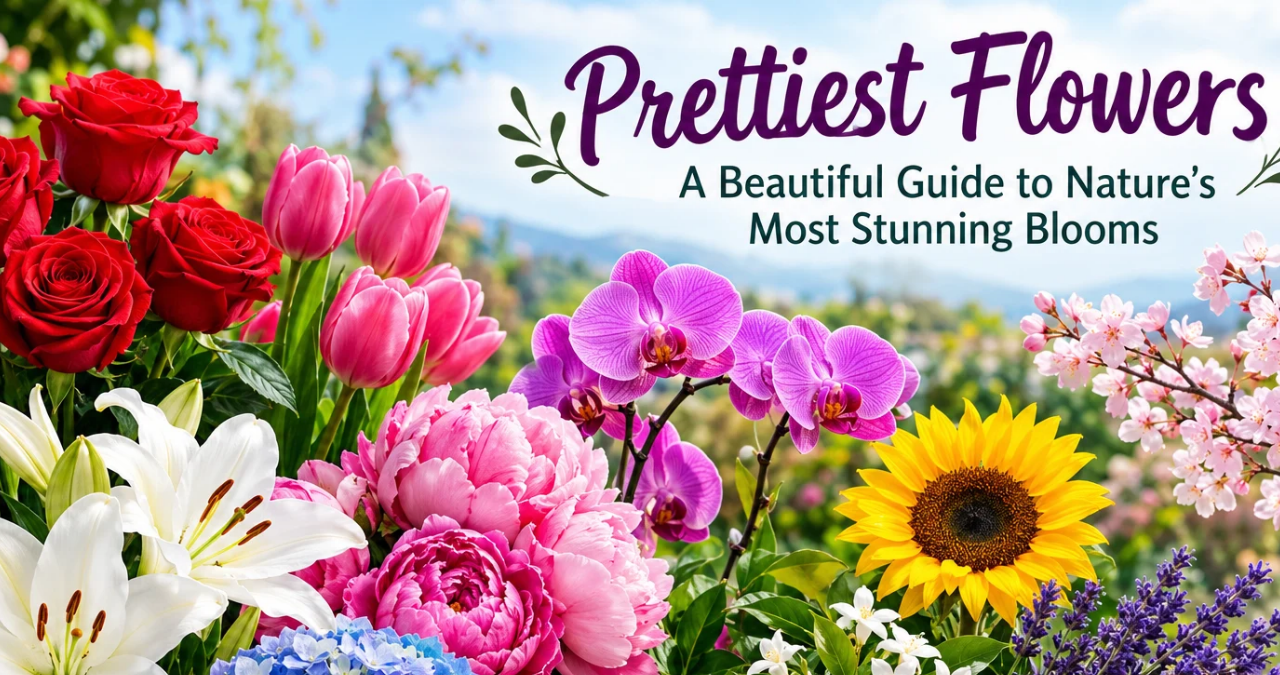
Prettiest flowers have a special way of making ordinary places feel extraordinary. A colorful garden, a quiet park, or even a small vase on a table can become much more inviting when beautiful flowers are nearby. Flowers have been admired for centuries because of their colors, shapes, scents, and meanings. Some look delicate and elegant, while others are bold, bright, and full of life.
Choosing the prettiest flower isn’t as simple as picking the brightest bloom. Beauty is personal, and what one person considers breathtaking may seem ordinary to another. Still, certain flowers are widely admired around the world for their appearance and charm. Roses, orchids, tulips, lilies, cherry blossoms, peonies, dahlias, sunflowers, and many other flowers regularly capture people’s attention.
Beyond their beauty, flowers also play an important role in nature. They help plants reproduce, provide food for pollinators, and contribute to healthy ecosystems. For people, flowers can bring joy, express emotions, decorate homes, and create unforgettable memories.
Let’s explore some of the world’s most beautiful flowers, what makes them special, where they grow, and how you can enjoy them in gardens and everyday life.
What Makes the Prettiest Flowers So Beautiful?
Flower beauty comes from several different features working together. Color is probably the first thing people notice, but it’s certainly not the only factor.
The shape of a flower can make a huge difference. Some blooms have perfectly arranged petals, while others have unusual forms that look almost artistic. The texture of the petals, the size of the bloom, the arrangement of leaves, and even the way a flower opens can add to its appeal.
Fragrance is another important part of the experience. Roses and jasmine, for example, are loved not only for their appearance but also for their wonderful scents.
Some common qualities that make flowers especially attractive include:
- Bright and interesting colors
- Symmetrical or unusual shapes
- Soft, layered petals
- Pleasant fragrances
- Long-lasting blooms
- Interesting patterns
- Rare or unusual appearances
- Cultural and historical importance
Of course, beauty doesn’t always mean rarity. A simple daisy can be just as charming as an exotic orchid. Sometimes, as the saying goes, beauty is in the eye of the beholder.
Prettiest Flowers That Capture Attention Around the World
There are thousands of flowering plants across the planet, and each has its own character. Some have become famous because of their elegant appearance, while others are treasured because of their cultural importance.
Here are some of the flowers most often admired for their beauty.
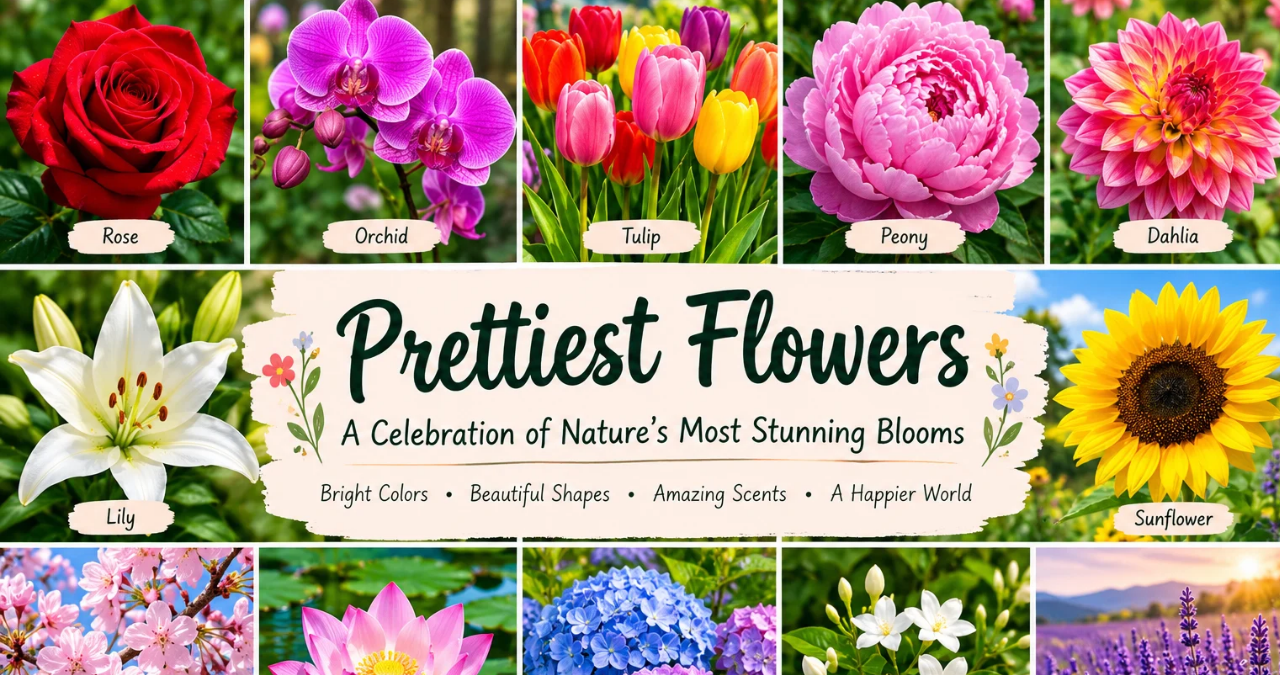
| Flower | Main Beauty Feature | Common Colors | Notable Quality |
|---|---|---|---|
| Rose | Layered petals | Red, pink, white, yellow | Classic elegance |
| Orchid | Unique shape | Purple, white, pink, yellow | Exotic appearance |
| Tulip | Smooth cup-shaped bloom | Many colors | Simple elegance |
| Peony | Full, soft petals | Pink, white, red | Rich, romantic look |
| Dahlia | Detailed petal patterns | Many colors | Complex structure |
| Lily | Large trumpet-like blooms | White, pink, orange | Elegant appearance |
| Sunflower | Large golden head | Yellow | Cheerful presence |
| Cherry Blossom | Delicate petals | Pink, white | Seasonal beauty |
| Lotus | Layered open bloom | Pink, white, blue | Symbolic importance |
| Hydrangea | Large flower clusters | Blue, pink, purple, white | Full appearance |
This list is only the beginning. The plant world is filled with remarkable flowers that can surprise even experienced gardeners.
Roses: A Timeless Symbol of Beauty
Few flowers are as famous as the rose. For generations, roses have been associated with love, friendship, celebration, and beauty. Their layered petals and rich colors make them a favorite in gardens and bouquets.
Roses come in an impressive range of colors. Red roses are strongly associated with romantic love, while pink roses can represent admiration, appreciation, or affection. White roses are often connected with purity and elegance. Yellow roses are commonly associated with friendship and happiness.
There are many types of roses, including climbing roses, shrub roses, hybrid tea roses, and miniature roses. Their growth habits can be very different, but their visual appeal remains undeniable.
Roses also have practical value. Their fragrance is used in perfumes and personal-care products, while rose petals and rose water have long been used in various cultural traditions.
A healthy rose garden can become a true focal point. With proper sunlight, watering, pruning, and soil care, roses can reward gardeners with beautiful blooms for much of the growing season.
Orchids Bring an Exotic Touch
Orchids are another strong contender when people talk about the prettiest flowers. Their unusual shapes and elegant patterns can make them look almost unreal.
There are many thousands of orchid species and hybrids. Their flowers may feature stripes, spots, contrasting centers, or unusual petal shapes. Purple, white, pink, yellow, and green are among the colors seen in different varieties.
Orchids are especially popular as indoor plants. Many varieties can grow successfully inside a home when they receive suitable light, humidity, and watering.
One of the best-known groups is the moth orchid, commonly grown as a decorative houseplant. Its flowers can remain attractive for a long time under suitable conditions.
Orchids also teach an important gardening lesson: beautiful plants don’t always need complicated care, but they do need the right environment. Too much water, poor drainage, or unsuitable light can cause problems.
Tulips Offer Simple and Elegant Beauty
Tulips have a clean, graceful appearance that makes them easy to recognize. Their cup-shaped blooms and strong stems give them a neat and elegant look.
Tulips come in countless shades, including red, pink, purple, yellow, orange, white, and combinations of several colors. Some varieties even have patterns that make their petals look painted.
They are strongly associated with spring and are particularly famous in the Netherlands, where large fields of tulips create spectacular landscapes.
Tulips are also popular in bouquets because their simple shape works beautifully with other flowers. Unlike some highly complex blooms, tulips don’t need an elaborate structure to stand out.
Their beauty often comes from simplicity. A group of tulips planted together can create a colorful display that looks cheerful without feeling overwhelming.
Peonies Create a Romantic Display
Peonies are known for their large, soft, and full blooms. Their petals can create a fluffy appearance that makes them especially popular for gardens, bouquets, and special events.
Pink peonies are particularly admired, although white and red varieties are also attractive. Some flowers have a light fragrance that adds another pleasant feature.
Peonies are perennial plants, meaning they can return year after year when grown in suitable conditions. Once established, they can become a long-term feature of a garden.
Their large flowers can also attract attention from a distance. When a peony bush reaches full bloom, it’s hard to walk past without taking a second look.
Gardeners should give peonies enough space, sunlight, and well-drained soil. They may take time to establish, but patience can pay off handsomely.
Dahlias Show the Artistic Side of Nature
Dahlias are fascinating because of their extraordinary variety. Their blooms can be small or enormous, simple or densely layered, and almost every color seems possible.
The petals may form neat circles, pointed shapes, rounded structures, or intricate patterns. Some dahlias look like carefully designed works of art.
Their wide range makes them useful for gardeners who want variety. A flower bed containing several dahlia types can have an impressive mixture of colors and forms.
Dahlias also make excellent cut flowers. Their strong visual presence means even a small number of blooms can make a bouquet look dramatic.
For gardeners, growing dahlias can be an enjoyable project because there are so many varieties to discover. It’s easy to get carried away once you start exploring them.
Lilies Combine Elegance and Fragrance
Lilies have an elegant appearance that has made them popular in gardens and floral arrangements for a very long time. Their flowers may be trumpet-shaped, bowl-shaped, or star-like depending on the type.
Many lilies are strongly scented, particularly during certain parts of the day. Their fragrance can add another dimension to a garden.
Lilies are available in several colors, including white, pink, orange, yellow, and combinations of different shades. Some varieties have spots or contrasting markings that make their petals even more interesting.
Although lilies are beautiful, gardeners should choose them carefully when pets are present. Some true lilies can be highly dangerous to cats if eaten. Responsible gardening means thinking about both beauty and safety.
Cherry Blossoms Create a Magical Spring Scene
Cherry blossoms are among the most recognizable symbols of spring. Their delicate pink or white flowers can transform entire landscapes for a short period.
Unlike flowers that remain in bloom for a long season, cherry blossoms are famous partly because their display is temporary. This makes the blooming season feel special and encourages people to stop and appreciate the moment.
Cherry blossom viewing is an important cultural tradition in Japan and has also become popular in many other parts of the world.
Rows of flowering cherry trees can create breathtaking scenery. Their branches covered in pale blossoms seem almost cloud-like, especially when viewed from a distance.
Their short blooming period also offers a simple reminder: some of nature’s most beautiful moments don’t last forever.
Lotus Flowers Have Beauty and Meaning
The lotus is admired for both its appearance and its symbolism. Its flowers rise above the water, creating a striking contrast between the bloom and its aquatic surroundings.
Lotus flowers can appear in shades such as pink and white, while different varieties and related water plants offer other colors.
The lotus has significant cultural and spiritual importance in several Asian traditions. It is often connected with ideas such as purity, renewal, growth, and resilience.
From a gardening perspective, lotus plants require suitable aquatic conditions. They aren’t ordinary garden flowers, but when grown in the right environment, they can become an extraordinary centerpiece.
Their ability to emerge from muddy water and produce an elegant flower is one reason they have inspired artists, writers, and gardeners for centuries.
Sunflowers Bring Bright Energy
Sunflowers have a completely different kind of beauty. Instead of delicate petals and soft colors, they offer bold golden flowers and a cheerful presence.
Their large flower heads can make gardens feel warm and lively. Sunflowers are also useful plants because their seeds can provide food for birds and people, depending on the variety and how they are grown.
They are generally associated with sunshine, happiness, optimism, and energy. Their bright appearance makes them particularly popular with children and beginner gardeners.
Sunflowers can grow impressively tall under suitable conditions. Watching a small seed develop into a towering flowering plant can be a rewarding gardening experience.
They prove that the prettiest flowers don’t always have to be delicate. Sometimes, beauty can be bold, strong, and full of energy.
Hydrangeas Add Volume and Color
Hydrangeas are loved for their large clusters of small flowers. Instead of producing one obvious bloom, they create rounded groups that can make a garden look lush and full.
Depending on the species, variety, and growing conditions, hydrangea flowers may appear blue, pink, purple, white, or greenish.
Some hydrangeas are particularly interesting because flower color can be influenced by soil conditions. This is especially noticeable in certain bigleaf hydrangeas.
Their large flower clusters also make them popular for landscaping. A single mature plant can create a strong visual impact without requiring dozens of individual plants.
With adequate moisture and suitable growing conditions, hydrangeas can become reliable garden favorites.
Jasmine Is Small but Exceptionally Charming
Jasmine flowers may be smaller than roses or lilies, but their fragrance gives them a special place among beautiful flowers.
Many jasmine varieties produce small white flowers with a sweet scent. Their fragrance can be especially noticeable in the evening.
Jasmine is widely appreciated in different cultures and is used in perfumes, teas, traditional practices, and decorative gardening.
The plant can be grown as a shrub, climber, or other growth form depending on the species. Its ability to combine attractive flowers with a powerful fragrance makes it especially appealing.
Sometimes, beauty isn’t about size. A small jasmine flower can fill an entire space with a memorable scent.
Lavender Offers Beauty With a Calming Character
Lavender is known for its slender purple flower spikes and distinctive fragrance. It can create a soft, peaceful appearance in gardens and is often associated with relaxation.
Its purple flowers look especially attractive when planted in groups. A large lavender bed can create a sea of color while also attracting pollinating insects.
Lavender is relatively popular with gardeners because many types tolerate sunny conditions and relatively dry soil once established.
Its flowers are also used in fragrances and other products. However, like any plant, it should be grown and used appropriately according to the particular species and purpose.
Lavender shows that a flower’s beauty can come from the combination of color, shape, scent, and the atmosphere it creates.
How to Choose the Prettiest Flowers for Your Garden
Picking flowers for a garden isn’t only about appearance. A flower may look perfect in a photograph but struggle in your local environment.
Before buying plants or seeds, consider:
- How much sunlight your garden receives
- The type of soil available
- Drainage and moisture levels
- Local temperatures
- Seasonal changes
- Available garden space
- Maintenance requirements
- Whether pets or children use the area
- Whether you want fragrance, color, or both
It’s usually better to choose plants that naturally suit your growing conditions. A flower that thrives in the right environment will generally look healthier and produce better blooms.
A little planning goes a long way. Instead of filling a garden with every flower you like, create a balanced selection that blooms at different times.
Prettiest Flowers for Bouquets and Home Decoration
Flowers aren’t limited to outdoor gardens. They can also brighten indoor spaces.
Roses, tulips, lilies, orchids, and hydrangeas are popular choices for arrangements. Each offers a different visual style.
For example:
- Roses create a classic and romantic appearance.
- Tulips give arrangements a clean, modern look.
- Orchids add an exotic and sophisticated touch.
- Hydrangeas provide volume and softness.
- Lilies bring height, elegance, and fragrance.
When arranging flowers, don’t be afraid to mix textures and shapes. A bouquet can become much more interesting when large blooms are combined with smaller flowers and greenery.
Fresh water, clean containers, and proper trimming can help cut flowers last longer. Removing damaged leaves and changing the water regularly can also improve their appearance.
The Role of Flowers in Nature
Flowers aren’t simply decorations. They are important parts of many ecosystems.
Flowering plants produce nectar, pollen, fruits, and seeds that support insects, birds, and other animals. Bees and butterflies, for example, visit many flowers while searching for food.
As pollinators move from flower to flower, they can transfer pollen and help plants reproduce. This process supports plant diversity and contributes to healthy ecosystems.
A garden filled with suitable flowering plants can therefore provide more than visual beauty. It can become a small habitat for wildlife.
Gardeners can support pollinators by planting a mixture of native or well-adapted flowering plants and avoiding unnecessary pesticide use.
How to Care for Beautiful Flowering Plants
Even the prettiest flowers need proper care. Healthy plants usually produce the best blooms.
A few basic gardening principles can make a big difference.
Provide the Right Amount of Light
Different plants have different light requirements. Some need full sunlight, while others prefer partial shade.
Always check the needs of a particular species before choosing where to plant it.
Water Carefully
Too little water can cause plants to wilt, but too much can damage roots. Good drainage is especially important for many flowering plants.
Instead of following one watering rule for every plant, consider the plant type, weather, soil, and growing conditions.
Improve Soil When Needed
Healthy soil supports healthy roots. Organic matter such as compost can improve soil structure and help plants access nutrients.
Remove Damaged Growth
Removing dead flowers and damaged leaves can improve a plant’s appearance and, for some plants, encourage further flowering.
Watch for Pests and Disease
Regularly inspect leaves, stems, and flowers. Finding problems early is usually easier than dealing with a major infestation later.
Why Flowers Matter to People
Flowers have emotional and cultural value that goes far beyond their physical appearance.
People give flowers to celebrate birthdays, weddings, graduations, anniversaries, achievements, and other important moments. They can also be offered as a gesture of sympathy or appreciation.
Flowers appear in paintings, poetry, photography, fashion, architecture, festivals, and traditional ceremonies.
They can also improve the atmosphere of a room. Even a simple arrangement can make a space feel brighter and more welcoming.
Spending time around plants may also encourage people to slow down and notice small details in nature. In a world that often feels rushed, that’s no small thing.
Creating Your Own Collection of Beautiful Flowers
You don’t need a huge garden to enjoy beautiful blooms. A balcony, patio, windowsill, or small outdoor area can provide enough space for flowering plants.
Start with a few varieties that suit your environment. As you gain experience, you can experiment with more.
A beginner-friendly collection might include:
- Marigolds for bright seasonal color
- Petunias for containers
- Lavender for fragrance
- Sunflowers for a bold display
- Roses for classic beauty
- Tulips for spring color
- Jasmine for fragrance where climate allows
The key is to learn as you go. Gardening isn’t about getting everything right the first time. Plants teach patience, observation, and consistency.
Final Thoughts on the Prettiest Flowers
The world is full of flowers that can stop us in our tracks. From elegant roses and exotic orchids to cheerful sunflowers, delicate cherry blossoms, colorful tulips, and fragrant jasmine, the prettiest flowers come in countless shapes, sizes, colors, and scents.
There isn’t one flower that can officially claim the title of the most beautiful. Beauty depends on personal taste, culture, memories, and the setting in which a flower grows. A giant sunflower may make one person smile, while another may fall in love with the delicate details of an orchid.
What matters most is taking time to appreciate these natural treasures. Whether you’re growing a single plant on a windowsill or caring for a large garden, flowers can add color, life, fragrance, and meaning to everyday surroundings. The prettiest flowers aren’t simply beautiful to look at—they remind us of nature’s creativity and the simple joy that can bloom right in front of us.
You may also read
amalfi coast map: A Complete Guide to Towns, Geography, Routes, and Travel Planning