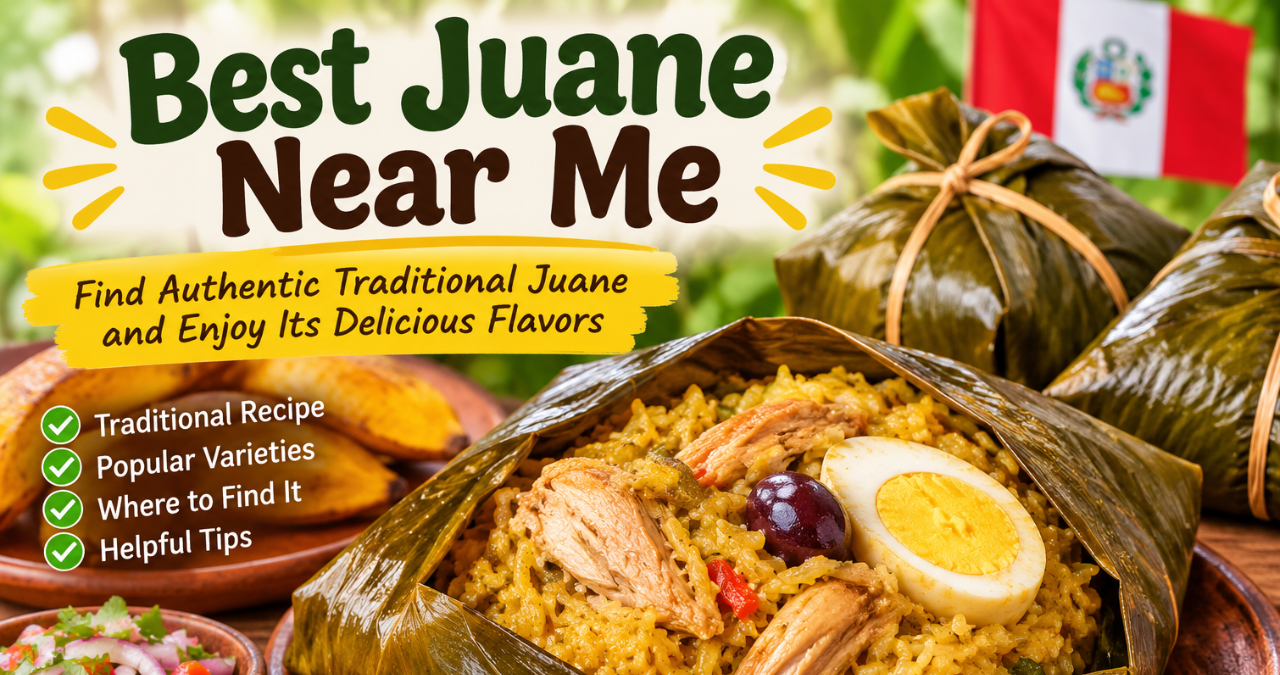
Finding the best juane near me can be an exciting food adventure, especially for people who enjoy discovering traditional dishes with rich flavors and cultural meaning. Juane is a well-known Filipino rice dish that brings together fragrant rice, flavorful seasonings, and tender ingredients wrapped in banana leaves. It is more than just a meal; it’s a delicious part of Filipino food culture that reflects family traditions, local cooking methods, and the joy of sharing food.
Whether you’re trying juane for the first time or already love its unique taste, finding a place that prepares it properly can make all the difference. A freshly cooked juane should have fragrant rice, balanced seasoning, and a pleasant aroma from the banana leaf wrapping. Some versions include chicken, eggs, and other ingredients that make every bite satisfying.
When searching for the best juane near me, it’s important to understand what makes this traditional dish special, where to look for it, how to recognize good quality, and what to consider before choosing a restaurant. This guide explores everything you need to know to enjoy an authentic and memorable juane experience.
Understanding the Traditional Filipino Juane
Juane, often called pacheco or chicken juane depending on the local variation, is a traditional Filipino rice dish associated particularly with the province of Cagayan in the Philippines. It is especially connected with the town of Tuguegarao and the celebration of the feast of Saint Peter and Saint Paul.
The dish is commonly made with rice, chicken, eggs, and seasonings. These ingredients are placed together and wrapped in banana leaves before being cooked. The wrapping helps hold everything together while allowing the rice to absorb the flavors of the other ingredients.
Unlike ordinary steamed rice, juane offers a complete combination of textures and flavors. The rice becomes aromatic, the chicken adds richness, and the egg provides another layer of taste.
Its traditional preparation also makes it interesting for people who enjoy learning about food from different cultures.
Why People Search for the Best Juane Near Me
Food lovers often search for nearby restaurants because they want convenient access to authentic meals without spending too much time traveling.
Searching for the best juane near me can help people discover Filipino restaurants, specialty food shops, local caterers, and home-based food businesses that prepare traditional dishes.
There are several reasons why this search is becoming useful for food enthusiasts:
- Convenience: Nearby restaurants make it easier to enjoy juane without traveling long distances.
- Authentic flavors: Filipino food specialists may follow traditional cooking methods.
- Fresh preparation: Freshly prepared juane generally offers better aroma and texture.
- Cultural discovery: Trying traditional food helps people understand another country’s food heritage.
- Different choices: Restaurants may offer different ingredients, portion sizes, and cooking styles.
However, availability depends on the location. Juane is a regional Filipino specialty, so it may not be available at every Asian restaurant.
The Origin and Cultural Importance of Juane
Juane has deep roots in the Peruvian Amazon, particularly the San Martín region and the city of Moyobamba. It is closely associated with the annual celebration of San Juan, held on June 24.
The dish has a long cultural history. Traditional cooking methods used large leaves to wrap food before boiling or steaming it. This method helped protect the ingredients, preserve moisture, and make meals easier to carry during journeys.
According to Peru’s official tourism information, early versions of juane used ingredients such as cassava, fish, eggs, and edible mushrooms. Over time, rice, chicken, olives, and other ingredients became common in popular versions. peru.info+1
Juane is important for several reasons:
- It represents traditional Amazonian cooking.
- It connects food with cultural celebrations.
- It demonstrates the creative use of local ingredients.
- It brings families and communities together.
- It preserves cooking knowledge passed between generations.
For many people, enjoying juane is also a way to experience the traditions of the Peruvian Amazon.
What Makes the Best Juane Special?
Not every juane tastes the same. Small differences in ingredients, seasoning, cooking time, and wrapping methods can create different results.
When looking for the best juane near me, understanding these qualities can help you identify a delicious and properly prepared dish.
Fragrant rice
Rice is the main ingredient in traditional chicken juane. It should be flavorful, moist, and well-seasoned. The texture should be firm enough to hold its shape without becoming dry or hard.
Tender chicken
Chicken provides much of the dish’s savory flavor. It should be properly cooked, tender, and seasoned with ingredients such as garlic, cumin, pepper, and turmeric.
Fresh eggs
Hard-boiled eggs are commonly placed inside the rice mixture. They add richness and create a pleasant contrast with the other ingredients.
Aromatic leaves
Bijao leaves are traditionally used to wrap juane. They help keep the ingredients together during cooking and contribute a gentle natural aroma.
Balanced seasoning
The best juane should have a pleasant balance of herbs, spices, and savory ingredients. Too much salt or excessive seasoning can overpower the natural flavors.
Proper cooking
The rice and filling should be fully cooked. A well-prepared juane should hold together when opened but remain moist and enjoyable to eat.
Popular Types of Juane You Should Know
One interesting thing about juane is that it has several regional variations. Different communities use locally available ingredients to create their own versions.
Here are some popular varieties worth exploring.
Traditional Chicken Juane
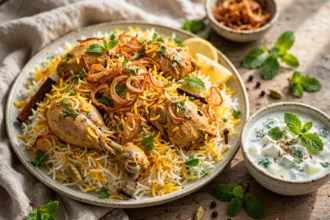
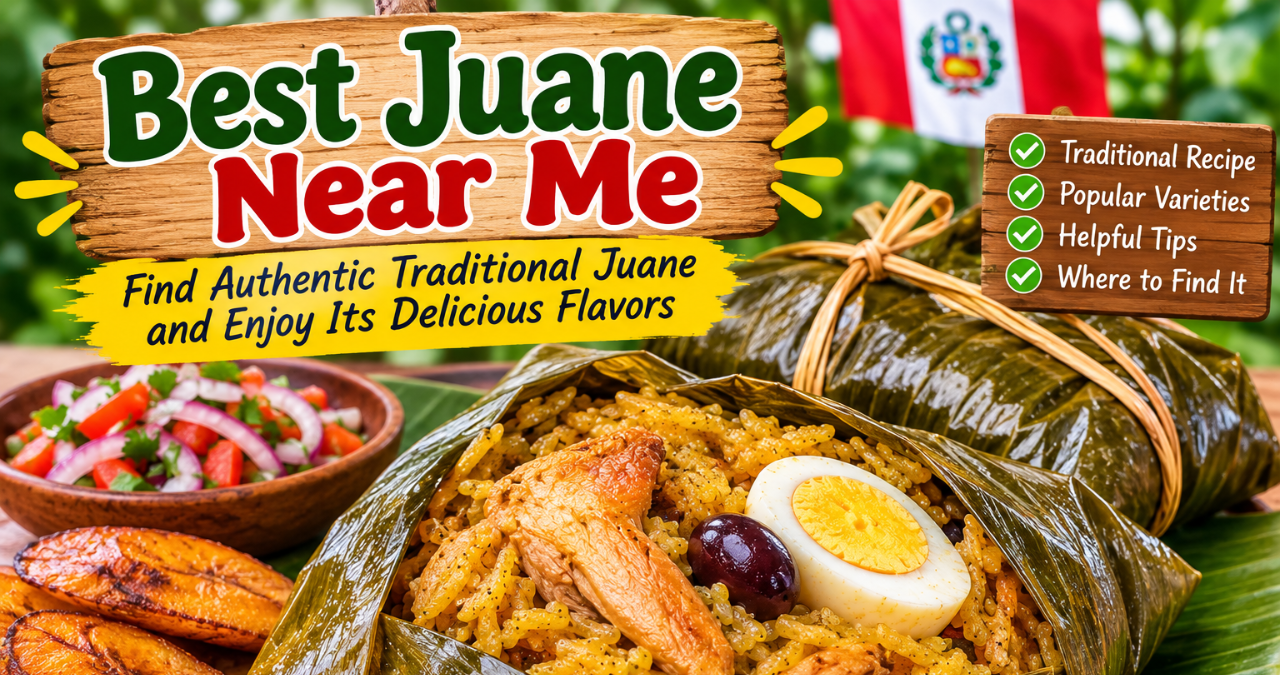
Traditional chicken juane is one of the most recognizable versions. It generally contains seasoned rice, chicken, hard-boiled egg, and olives.
The ingredients are wrapped in bijao leaves and cooked until the flavors combine. It is an excellent starting point for anyone trying juane for the first time.
Juane de Yuca
Juane de yuca uses cassava instead of ordinary rice. It has a different texture and flavor, making it an interesting choice for people who enjoy exploring regional food.
Some versions include fish, particularly in communities where local fish is widely available.
Avispa Juane
Avispa juane is a richer variation that includes ground pork in the rice mixture and chicken as a filling.
Its combination of meat and seasoning creates a hearty meal that may appeal to people who enjoy stronger savory flavors.
Chonta Juane
Chonta juane includes chonta, a type of palm heart. This ingredient adds a different texture and gives the dish a regional character.
It is worth trying if you enjoy vegetable-based ingredients in traditional recipes.
Nina Juane
Nina juane is another regional variation. It uses chicken pieces in a preparation that differs from the traditional rice-based version.
These varieties demonstrate how one traditional dish can develop many different identities while keeping its cultural roots. EveryThali+2
Best Juane Near Me: Where Should You Look?
Finding authentic juane depends on your location. It is a specialty dish from the Peruvian Amazon, so it may not appear on the menus of ordinary international restaurants.
If you’re searching in an area where Peruvian communities and restaurants are common, start with establishments that specialize in traditional Peruvian food.
Here are some places worth checking.
Peruvian Restaurants
Peruvian restaurants are among the best places to begin your search. Restaurants that focus on regional cuisine may offer juane as a regular menu item or as a seasonal specialty.
Ask whether the restaurant prepares traditional Amazonian juane rather than a general rice parcel.
Latin American Food Restaurants
Some Latin American restaurants introduce customers to regional dishes from Peru, Colombia, Brazil, and other countries.
Although not every restaurant will serve juane, these businesses may be able to recommend a specialist or arrange a special order.
Specialty Food Markets
Food markets that sell imported Latin American ingredients can also help you find traditional dishes.
Some markets work with local cooks who prepare regional meals for customers.
Home-Based Food Businesses
Small food businesses sometimes prepare traditional meals for special events, family gatherings, and pre-orders.
These businesses may be useful when restaurant menus do not include juane.
Cultural Food Festivals
Food festivals and cultural events can provide opportunities to discover authentic dishes.
Peruvian cultural celebrations, in particular, may feature traditional Amazonian foods during the San Juan season.
Searching for the Best Juane Near Me in Hyderabad, Sindh
Location matters when searching for a specialty dish. If you’re looking in Hyderabad, Sindh, Pakistan, there is an important point to consider: the available local restaurant listings do not currently establish that any nearby restaurant sells authentic Peruvian juane.
Some local businesses specialize in Chinese, Asian, Pakistani, and other cuisines, but that does not mean they prepare juane.
For example, you can check general Asian food establishments such as Foodi Dragon or Haka Chinese to ask whether they know of a supplier or specialty cook. However, neither is verified as a juane restaurant.
You can also explore local food communities and catering businesses to ask about custom preparation.
Helpful searching tips:
- Search Google Maps for Peruvian food in Hyderabad.
- Look for Latin American cooking groups on social media.
- Ask local caterers whether they accept international food orders.
- Search for Peruvian cooks offering home delivery.
- Contact restaurants before traveling to confirm availability.
The important thing is not to confuse an ordinary banana-leaf rice parcel with authentic Peruvian juane. Both may be enjoyable, but their ingredients, preparation, and cultural backgrounds can be different.
How to Recognize Authentic and Fresh Juane
When you finally find a restaurant offering juane, take a moment to consider its quality.
Freshness and proper preparation are important because the dish contains cooked rice, poultry, and sometimes eggs.
Here are some useful signs of a good-quality meal.
- Fresh aroma: The dish should have a pleasant smell from the rice, seasonings, and cooking leaves.
- Proper texture: The rice should be moist and hold together without feeling mushy.
- Tender filling: Chicken should be cooked thoroughly and remain tender.
- Clean wrapping: The leaves should be suitable for food preparation and properly washed.
- Balanced flavor: The spices should complement the chicken and rice.
- Safe temperature: Hot juane should be served hot, and chilled juane should be stored safely.
Avoid dishes with an unpleasant smell, unusual appearance, or signs of poor storage.
Ingredients Commonly Used in Traditional Juane
The ingredients used in juane depend on the recipe and region. However, traditional chicken juane generally includes a familiar combination of rice, poultry, eggs, and aromatic seasonings.
| Ingredient | Purpose in the dish |
|---|---|
| Rice | Provides the main structure |
| Chicken | Adds protein and savory flavor |
| Hard-boiled eggs | Provide richness |
| Olives | Add a salty, distinctive taste |
| Garlic | Creates a flavorful base |
| Onion | Adds sweetness and aroma |
| Turmeric | Gives the rice a golden color |
| Cumin | Adds warm seasoning |
| Bijao leaves | Wrap the ingredients during cooking |
| Salt and pepper | Balance the overall flavor |
Some recipes also use broth, oregano, bay leaves, and other regional seasonings.
The quality of these ingredients plays a major role in the final result.
How Juane Is Traditionally Prepared
Traditional juane requires patience because the ingredients need to be prepared separately before they are wrapped and cooked together.
Although recipes differ, the basic cooking process follows several important steps.
Preparing the Chicken
Chicken is seasoned with garlic, onion, salt, pepper, cumin, and turmeric. It is then cooked in a flavorful broth until tender.
The broth is often saved because it can be used to prepare the rice.
Cooking the Rice
Rice is cooked with chicken broth and seasonings. This allows it to absorb a rich flavor before being wrapped.
Some recipes mix beaten raw eggs into the rice to help bind the ingredients together. The mixture should be assembled and cooked promptly.
Preparing the Wrapping Leaves
Bijao leaves are cleaned and softened so they can be folded without breaking.
Banana leaves are sometimes used as a practical substitute. They provide a different aroma but serve a similar purpose.
Assembling the Juane
A portion of seasoned rice is placed in the center of the leaves. Chicken, hard-boiled egg, and olives are added.
More rice may be placed around the filling before the leaves are folded into a secure parcel.
Cooking the Wrapped Dish
The parcels are tied carefully and boiled or steamed, depending on the recipe.
The cooking process allows the ingredients to finish cooking together while the wrapping protects the food.
Serving the Juane
Once cooked, the juane is removed from its wrapping and served warm.
It can be enjoyed with plantains, cassava, or a suitable regional sauce.
For a traditional recipe and preparation reference, the Peruvian tourism website provides useful information about the dish and its history. peru.info+1
Best Side Dishes to Enjoy With Juane
Although juane can be a complete meal by itself, serving it with suitable side dishes can make the experience even better.
Different regions of Peru have their own serving traditions.
Fried plantains
Plantains provide a slightly sweet flavor that balances the savory rice and chicken. Their soft interior and lightly crisp exterior create an enjoyable contrast.
Tacacho
Tacacho is a traditional Amazonian preparation made with cooked plantains that are mashed and often mixed with fat or other ingredients. It is a popular partner for several regional dishes.
Cocona sauce
Cocona is an Amazonian fruit used to make fresh and flavorful sauces. It can provide a refreshing contrast to the rich ingredients in juane.
Chili sauce
People who enjoy spicy food may appreciate a small serving of chili sauce. It adds heat without requiring changes to the main dish.
Boiled cassava
Cassava is a simple side dish with a mild taste. It works well with the strong and savory flavors of traditional juane.
The best combination depends on your personal taste and the particular style of juane you choose.
How to Choose the Right Restaurant for Juane
Finding a restaurant that serves juane is only the first step. Choosing a place that offers good food, fair prices, and reliable service is equally important.
Consider these factors before placing your order.
Check Customer Reviews
Customer reviews can provide helpful information about food quality, service, cleanliness, and portion sizes.
Look for comments that describe specific dishes rather than relying only on general star ratings.
Explore Food Photographs
Pictures can help you understand how a restaurant prepares and presents its meals.
For juane, look for photographs showing the wrapped dish and its ingredients after opening.
However, remember that photographs do not always prove authenticity.
Compare Prices
Different restaurants may charge different prices depending on portion size, ingredients, and preparation methods.
Compare the value offered rather than automatically choosing the cheapest option.
Ask About Ingredients
If you have food allergies or dietary restrictions, ask about the ingredients before ordering.
This is particularly important because some recipes contain eggs, chicken broth, olives, and other ingredients that may not be immediately visible.
Confirm Availability
Some restaurants prepare regional dishes only on certain days or through advance orders.
Calling ahead can save time and prevent disappointment.
Juane for Lunch, Dinner, and Special Occasions
Juane is a versatile dish that can be enjoyed during different meals and celebrations.
Its convenient wrapping makes it suitable for individual meals, family gatherings, and outdoor activities.
For lunch: A serving of chicken juane provides rice and protein in one convenient package. It is a satisfying option for people who enjoy traditional meals.
For dinner: Juane can be served with vegetables, plantains, or a light sauce to create a complete evening meal.
For family gatherings: Large batches can be prepared ahead of time, making the dish suitable for sharing.
For cultural celebrations: Juane has a special connection with the San Juan festival, making it an important part of regional celebrations in the Peruvian Amazon.
For travel: Its traditional leaf wrapping makes it easy to carry, although modern food-safety practices must always be followed.
What Makes Homemade Juane Worth Trying?
Sometimes, finding a restaurant that serves a particular traditional dish can be difficult. In that situation, preparing juane at home may be an enjoyable alternative.
Homemade cooking gives you more control over ingredients, seasoning, portion sizes, and preparation methods.
There are several advantages to making it yourself.
- You can choose fresh ingredients.
- You can adjust the spices to suit your taste.
- You can prepare different versions for family members.
- You can learn about Peruvian cooking traditions.
- You can experiment with suitable local ingredients.
A homemade version also gives you the opportunity to understand why the leaf wrapping is so important.
However, using the correct cooking method matters. If you use chicken and eggs, ensure that everything reaches a safe cooking temperature.
Tips for Making Restaurant-Style Juane at Home
If you want to prepare delicious juane in your kitchen, start with a simple recipe and focus on the basic techniques.
Here are some practical suggestions.
Choose good-quality rice. Use rice that cooks evenly and holds its texture. Avoid making it overly soft before wrapping.
Prepare flavorful broth. Chicken broth adds depth to the rice and makes the dish more enjoyable.
Season carefully. Turmeric, cumin, garlic, onion, and pepper can create a balanced flavor.
Use food-grade leaves. Clean the wrapping leaves thoroughly and soften them before folding.
Wrap securely. Loose wrapping can allow water to enter the parcel during boiling.
Cook thoroughly. Check that the chicken, rice, and egg mixture are completely cooked before serving.
Serve fresh. Juane is particularly enjoyable when freshly prepared and served warm.
One useful trick is to prepare the ingredients in advance but avoid leaving cooked rice and raw egg mixtures sitting at room temperature. Assemble and cook promptly, then refrigerate leftovers quickly.
Health and Food Safety Considerations
Juane contains ingredients that can provide energy, protein, and other nutrients. However, its nutritional value depends on the recipe, portion size, and cooking method.
Rice supplies carbohydrates, while chicken and eggs contribute protein. Olives and cooking oil add fat, and certain seasonings provide flavor without requiring large amounts of salt.
Here are some food-safety points worth remembering:
- Make sure chicken is thoroughly cooked.
- Use clean utensils and food-preparation surfaces.
- Wash food-grade leaves before using them.
- Avoid keeping cooked rice at room temperature for extended periods.
- Refrigerate leftovers promptly.
- Reheat leftovers thoroughly before eating.
- Check for ingredients that may cause allergic reactions.
Food safety is particularly important for wrapped rice dishes because their appearance can make it difficult to judge how thoroughly the center has cooked.
For a chicken-based version, the thickest part of the chicken should reach an internal temperature of 74°C (165°F). SwissLima
Comparing Different Ways to Find Juane
There are several ways to discover this traditional dish. Each method has its own advantages.
| Search method | Main advantage | What to consider |
|---|---|---|
| Google Maps | Finds nearby food businesses | Confirm menu availability |
| Restaurant websites | Provides menu information | Menus may be outdated |
| Social media | Shows food photographs | Verify seller details |
| Food delivery apps | Offers ordering convenience | Check delivery availability |
| Local food groups | Provides community recommendations | Confirm authenticity |
| Cultural food festivals | Offers regional food experiences | Events may be seasonal |
| Home-based cooks | May offer traditional recipes | Check hygiene and reputation |
Using more than one method can improve your chances of finding a suitable seller.
Common Mistakes to Avoid When Searching for Juane
Searching for a specialty food item can sometimes be confusing. A few simple mistakes may lead to disappointing results.
Assuming Every Banana-Leaf Rice Dish Is Juane
Many cultures use leaves to wrap rice, meat, and other ingredients. However, similar cooking methods do not mean the dishes are identical.
For example, the Philippines has a traditional dish called junay or junai, which uses rice, coconut milk, spices, and banana leaves. It is different from Peruvian juane. Easy to Make Meals+1
Ignoring Regional Variations
Not every juane contains exactly the same ingredients. Some versions use cassava, fish, pork, or palm heart.
Ask about the recipe before ordering.
Trusting Every Online Photograph
A restaurant photograph may show a different meal or an older menu item.
Contact the business to confirm that the pictured dish is actually available.
Choosing Only by Price
A very low price does not necessarily mean good value. Consider portion size, freshness, ingredient quality, and customer feedback.
Forgetting to Confirm Delivery
A restaurant may offer dine-in service without providing home delivery. Always confirm the available ordering options.
Why Juane Is Becoming Interesting to International Food Lovers
International food lovers are increasingly interested in traditional dishes because they offer something different from ordinary restaurant meals.
Juane stands out because of its unique preparation, regional ingredients, and cultural background.
There are several reasons why people may enjoy discovering it:
- Traditional cooking: Its preparation reflects generations of culinary knowledge.
- Unique presentation: The leaf wrapping makes it visually interesting.
- Rich flavors: Rice, chicken, eggs, and spices create a satisfying combination.
- Regional identity: It introduces people to the food traditions of the Peruvian Amazon.
- Versatility: Different recipes provide options for different tastes.
For food bloggers, travelers, and home cooks, juane also offers an interesting opportunity to explore the relationship between food, history, and culture.
Frequently Asked Questions About Best Juane Near Me
What is juane made of?
Traditional Peruvian juane is generally made with seasoned rice, chicken, hard-boiled eggs, olives, and spices. The ingredients are wrapped in bijao leaves and cooked until everything is properly prepared.
Where does juane originally come from?
Juane comes from the Peruvian Amazon, particularly the San Martín region. It is strongly associated with Moyobamba and the annual San Juan celebration.
Is juane available in regular restaurants?
Some Peruvian and Latin American restaurants serve juane, but it is not a regular menu item everywhere. Specialty food businesses and home cooks may also offer it.
What does juane taste like?
Juane generally has a savory, aromatic taste. The rice absorbs the flavors of chicken broth and seasonings, while eggs and olives provide additional richness.
Is juane spicy?
Traditional juane is not necessarily very spicy. Its flavor usually comes from herbs and seasonings. Chili sauce can be added separately for people who prefer spicy food.
What leaves are used to wrap juane?
Bijao leaves are traditionally used. Banana leaves are a common substitute in recipes where bijao leaves are unavailable.
Can I make juane at home?
Yes. You can prepare juane at home using rice, chicken, eggs, olives, seasonings, and suitable food-grade leaves. Careful preparation and proper cooking are important.
Is juane the same as Filipino junay?
No. Peruvian juane and Filipino junay are different traditional dishes. Filipino junay is commonly prepared with rice, coconut milk, spices, and toasted coconut, while Peruvian juane commonly includes seasoned rice, chicken, eggs, and olives.
What is the best side dish for juane?
Fried plantains, tacacho, boiled cassava, and cocona sauce are popular accompaniments. The best choice depends on the particular recipe and your taste.
How can I find the best juane near me?
Search for Peruvian restaurants, Amazonian food specialists, Latin American food businesses, and local cooks. Check their menus, photographs, reviews, and availability before ordering.
Can juane be ordered for special occasions?
Yes. Some cooks and specialty food businesses accept advance orders for family gatherings and cultural celebrations. Contact the seller to confirm quantities, preparation time, and delivery options.
Final Thoughts on Finding the Best Juane Near Me
Finding the best juane near me is about more than discovering another rice dish. It is an opportunity to experience the rich food traditions of the Peruvian Amazon and enjoy a meal that combines history, culture, and delicious ingredients.
From traditional chicken juane to interesting variations such as juane de yuca, avispa juane, and chonta juane, there are many options worth exploring. Understanding the ingredients, cooking techniques, and cultural background can help you appreciate the dish even more.
When choosing a restaurant, always consider freshness, authentic preparation, food quality, customer feedback, and availability. If you cannot find a nearby restaurant, consider contacting specialty food businesses or exploring homemade recipes.
For readers in Hyderabad, Sindh, authentic Peruvian juane availability has not been verified in the local listings checked, so contacting restaurants before visiting is especially important.
Ultimately, the best juane near me is the one that delivers a delicious experience while respecting the traditional flavors and cultural heritage behind this special Peruvian dish.
You may also read
Rasta Pasta Near Me: A Complete Guide to Finding, Enjoying, and Choosing the Best Rasta Pasta